

Staff Writer | Mayor of Scottsdale
Scottsdale Mayor Lisa Borowsky is responding to the U.S. Department of the Interior’s release of new Colorado River operating guidelines for 2027 and 2028.
“While Scottsdale has legitimate concerns about the long-term health of the Colorado River system, our city remains well-positioned to meet the needs of our residents and businesses,” Mayor Borowsky said. “Scottsdale has invested for decades in water conservation, infrastructure improvements, aquifer recharge, and a diverse water portfolio that enhances our resilience during times of drought and uncertainty.”
The Department of the Interior’s operating plan calls for annual Lower Basin reductions totaling 1.25 million acre-feet, with Arizona expected to account for approximately 760,000 acre-feet of those reductions under the proposed sharing framework.
The plan includes annual reductions in Colorado River water deliveries to Arizona, California and Nevada as the federal government and basin stakeholders respond to ongoing drought conditions and critically low reservoir levels.
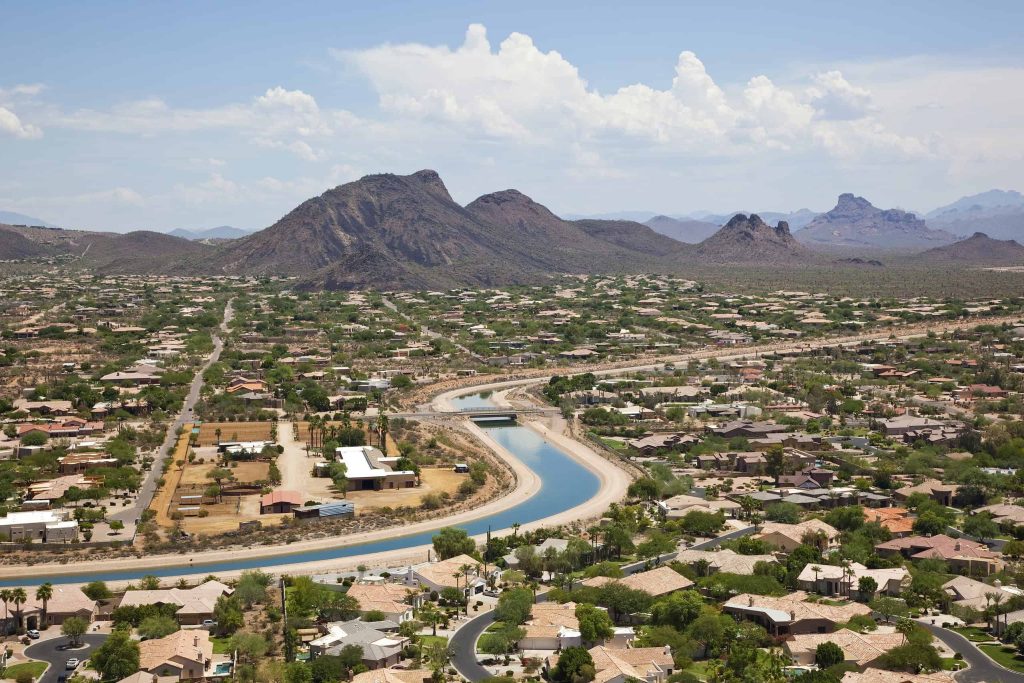
Approximately 70% of Scottsdale’s water supply comes from Colorado River water delivered through the Central Arizona Project (CAP), while additional supplies come from Salt River Project (SRP) water, groundwater resources and reclaimed water programs.
“Water is Arizona’s lifeline, and today’s announcement reinforces the benefits realized through responsible planning and conservation efforts Scottsdale has prioritized for decades,” Mayor Borowsky said.
Mayor Borowsky notes that the federal framework establishes the operational approach for the next two years but does not yet specify how Arizona’s reduction obligations will be distributed among individual water users.
“Many important implementation questions remain unanswered, including how reductions will ultimately be allocated among states, water providers, tribes, agriculture and other stakeholders,” Mayor Borowsky said.
“Scottsdale will continue working closely with federal, regional and state partners to insist that Arizona’s interests are protected, solutions are equitable, sustainable and based on collaboration.”
While not ideal, the federal guidelines were developed following extensive negotiations among the seven Colorado River Basin states, tribal nations and other stakeholders.
“Championed by Scottsdale, Arizona has become a recognized leader in conservation and innovation,” Mayor Borowsky said. “The path forward requires continued cooperation across the Basin, thoughtful stewardship, and a commitment to solutions that recognize both the realities of drought and the needs of growing communities.”


