
Ordinance to strengthen privacy protections, limits access and increases accountability
Staff Writer | Mayor of Scottsdale
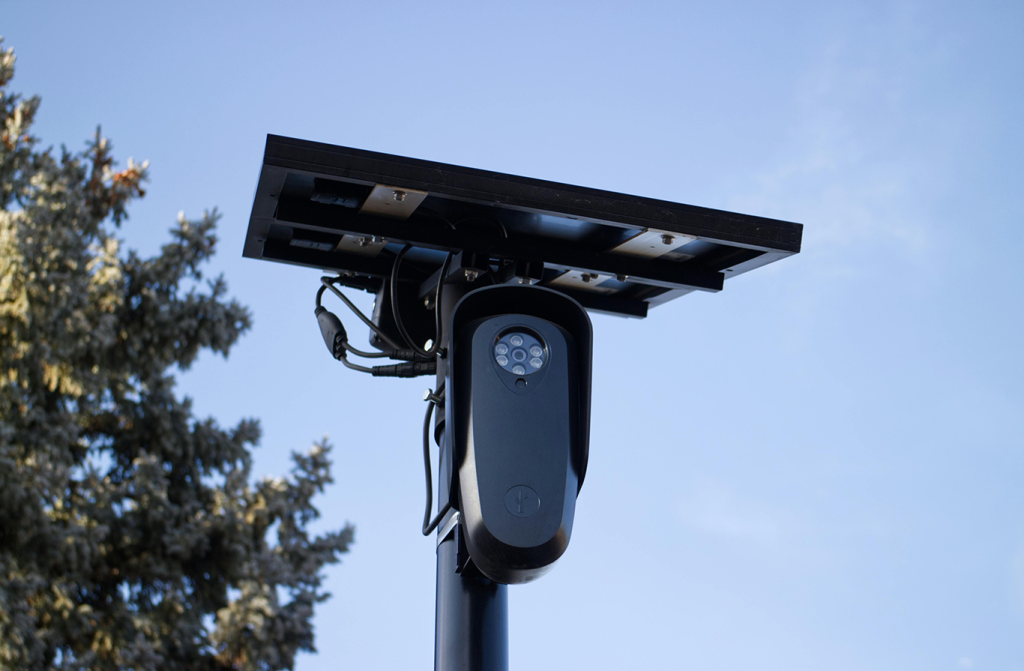
Following months of calls for greater transparency, oversight and accountability regarding Scottsdale’s use of Flock’s Automated License Plate Reader (“ALPR”) technology, Mayor Lisa Borowsky secured unanimous support Tuesday night from the Scottsdale City Council to move forward with a formal ordinance establishing new measures and strengthening guardrails for the city’s use of the controversial system.
Scottsdale City Council directed city staff to draft an ordinance which will proactively govern Scottsdale’s use of ALPR technology provided by Flock, including penalties for misuse, independent audits, enhanced training requirements, limits on system access, data retention reviews and additional transparency measures.
The draft ordinance is expected to return to Scottsdale City Council by December 1st.
“Public safety and our residents’ right to privacy should never be viewed as competing priorities,” Mayor Borowsky said following the Oct. 6 public hearing. “I will always prioritize and emphasize both. Last night’s unanimous vote sends a clear message that Scottsdale is committed to ensuring this technology is used responsibly, transparently and with meaningful, strict safeguards that protect the public’s trust.”
Mayor Borowsky has consistently pushed for stronger oversight of the technology and is asking that the forthcoming ordinance include additional protections beyond those already directed by the City Council.
Those recommendations include:
- Establishing a pathway for regular independent third-party audits of the system.
- Reducing Scottsdale Police Department data retention to 30 days.
- Significantly limiting the number of users authorized to access the system.
- Requiring supervisory approval before every entry into the ALPR database.
- Restricting routine access to trained police detectives and other specifically authorized personnel.
“Technology can be a valuable tool in helping law enforcement solve crimes and protect neighborhoods, but that authority must come with strict accountability,” Mayor Borowsky said. “The strongest public safety programs are the ones that are transparent, narrowly tailored and subject to rigorous oversight.”
Scottsdale City Council’s direction also calls for annual audits, reviews of alternative vendors, consideration of additional access restrictions, enhanced training requirements and development of a public-facing transparency portal detailing law enforcement technologies used by the city.
Mayor Borowsky says Scottsdale now has an opportunity to establish a model for responsible use of public safety technology that balances legitimate investigative needs with residents’ expectations for privacy and civil liberties.
“For months, residents have asked important questions about how this technology is being used and what safeguards are in place,” Mayor Borowsky said. “This ordinance is our opportunity to put strict protections into law, increase transparency and ensure Scottsdale has some of the strongest accountability standards in Arizona.”
Motion approved unanimously by Scottsdale City Council
The motion directs the City Manager, City Attorney, City Auditor and other appropriate city staff to:
- Draft a formal ALPR ordinance governing Scottsdale’s use of Automated License Plate Reader technology, including criminal penalties for misuse.
- Conduct independent audits, including an initial audit followed by annual reviews by the City Auditor.
- Evaluate alternative ALPR vendors and provide options that offer greater city control over data ownership, privacy, security and data sharing.
- Review Scottsdale’s contract with Flock Safety and report on termination provisions, costs, data disposition requirements and transition options.
- Develop a vendor transition plan to ensure public safety capabilities remain in place if the city changes providers.
- Prepare for a future transition from Flock Safety, with city leadership directed not to include funding for the contract in the proposed FY 2027-28 budget.
- Explore creating a public technology transparency webpage identifying law enforcement technologies used by the city.
- Consider limiting the number of city employees with access to ALPR technology and data.
- Prohibit federal access to Scottsdale’s ALPR data, except when required by law, such as through a valid subpoena or warrant.
- Require annual training and signed attestations for all authorized users, along with annual policy reviews.
- Review the current data-retention schedule and pursue a shorter retention period if appropriate.
- Return with additional recommendations staff believes would strengthen oversight, transparency and accountability


